Testicular cancer

The most common cancer in young men, testicular cancer is now cured in 95% of cases. It usually appears as a small, hard, painless lump: self-examination helps detect it early.

Book appointment

Reviewed by Dr Bruno Segui, urological surgeon · updated on

In brief

Testicular cancer is the most common cancer in men aged 20 to 35; it most often appears as a small, hard, painless lump in a testicle. Ultrasound is the reference test, supplemented by a blood test; removal of the testicle is the first stage of treatment, followed, depending on the case, by radiotherapy, chemotherapy, lymph node dissection or simply monitoring.

Key points

  • Young men

    It is the most common cancer in men aged 20 to 35.

  • Cured in 95% of cases

    All stages combined, thanks to advances in treatment.

  • It doesn’t hurt

    A hard, painless lump in a testicle should prompt a quick visit to the doctor.

  • A short operation

    About 1 hour, as day surgery, with no effect on sexual function.

Understanding the condition

Testicular cancer has increased markedly over the last thirty years.

This tumour has benefited greatly from advances in chemotherapy, which have transformed its prognosis, with a current cure rate of 95% all stages combined.

Epidemiology

The most common cancer in young adult men aged 20 to 35. Some risk factors are now well known, such as cryptorchidism (undescended testicle).

It remains a rare cancer: nearly 3,000 new cases a year in France. A family history (father or brother) or a previous cancer of the other testicle also increase the risk. It is almost always a so-called “germ cell” tumour: seminoma or non-seminomatous tumour, two forms that are not treated in quite the same way.
Diagnosis

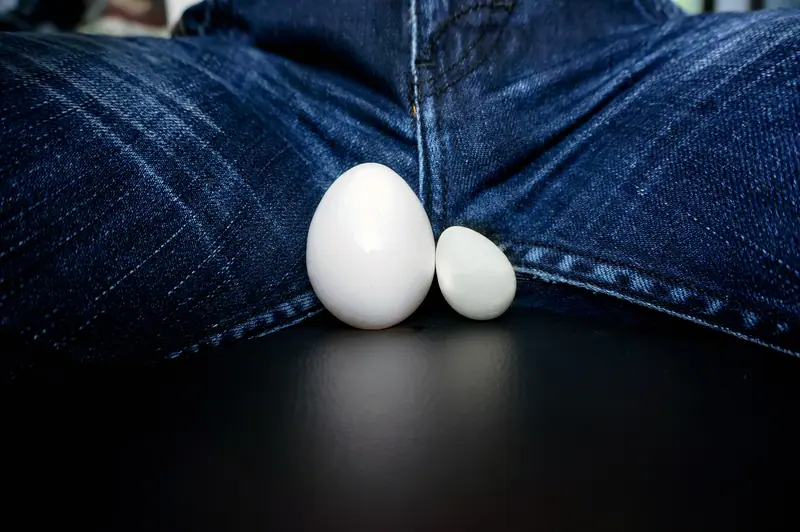
Testicular self-examination reveals a suspicious, painless hardening:
In most cases, testicular cancer does not hurt.

Ultrasound is the reference test for diagnosis. Certain blood markers are specific to these germ cell tumours, such as alpha-fetoprotein and human chorionic gonadotropin (HCG). They confirm the diagnosis, and a raised level can be a prognostic factor depending on the initial level, as well as a way of monitoring the effectiveness of treatment. Although less specific, lactate dehydrogenase (LDH) is also taken into account as a prognostic factor.

In practice, the ultrasound and blood test are done quickly, and the operation is scheduled in the following days.

Self-examination in 3 steps

  1. 1

    After a warm shower

    The skin of the scrotum is relaxed: this is the best time. Once a month is enough.

  2. 2

    Roll each testicle

    Gently, between your thumb and fingers, to feel the whole surface. The small soft cord at the back (the epididymis) is normal, as is a slight difference in size between the two.

  3. 3

    Look out for changes

    A lump, a hard area, a testicle that is getting bigger or a feeling of heaviness: see a doctor without delay, even if there is no pain.

Treatment

Removal of the testicle (AFU orchidectomy sheet, in French) is the first diagnostic and therapeutic step. A testicular prosthesis for cosmetic purposes can be inserted during this operation at the patient’s request. The operation takes about 1 hour and is performed as day surgery (no overnight stay at the clinic).

Sperm banking (at a CECOS sperm bank) is recommended before surgery.

This operation does not affect sexual function.

Histological analysis of the tumour and assessment of whether it has spread (chest-abdomen CT scan) will guide any additional treatment needed. For a tumour confined to the gland, depending on the cell type, this may be abdominal radiotherapy, chemotherapy or retroperitoneal lymph node dissection, or simply monitoring.

This additional treatment is decided at a multidisciplinary team meeting with the oncologists. It is often short and very effective.

  • An operation of about 1 hour, as day surgery
  • A testicular prosthesis is possible, at your request
  • Sperm banking offered before the operation
  • No effect on sexual function

Sperm banking at a CECOS can be arranged within a few days: mention it at your first consultation.

After treatment

Follow-up

Most patients are now cured after these treatments; regular monitoring of tumour markers and follow-up CT scans are nevertheless necessary.

Any after-effects are related to the side effects of the various treatments used.

Self-examination of the remaining testicle is advised after treatment of a testicular tumour.

Fertility and intimacy

One testicle is usually enough to produce testosterone and sperm: sex drive, erection and fertility are generally preserved. Chemotherapy can reduce fertility for a while, hence the value of sperm banking before the operation.

Documentation

AFU information sheet (in French)

AFU information sheet (in French)

View the sheet (in French)

Your care at the practice

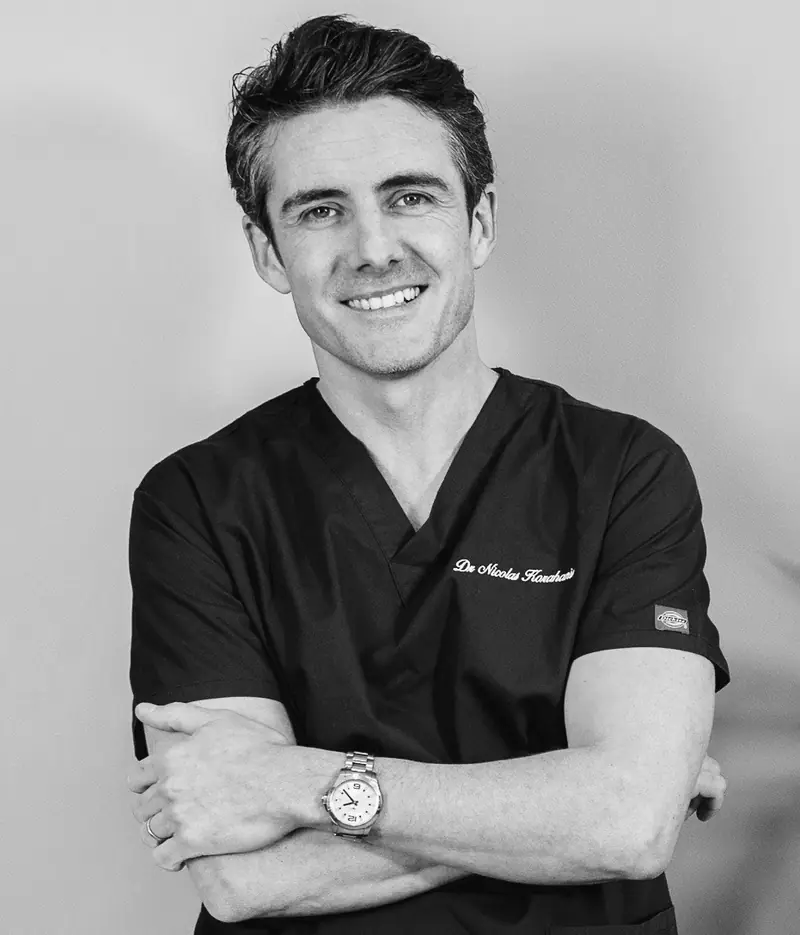
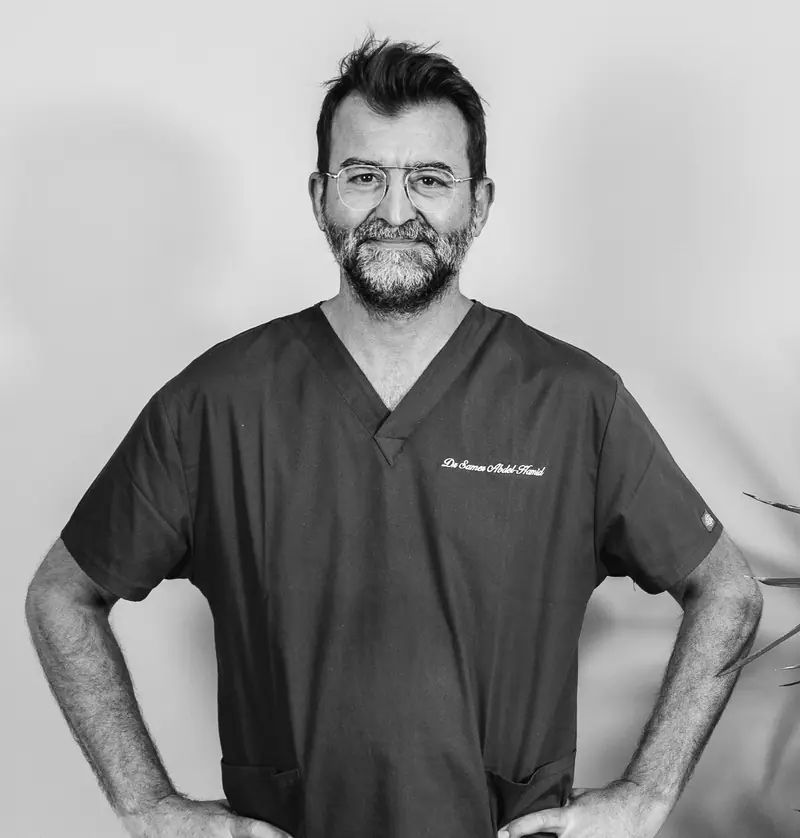
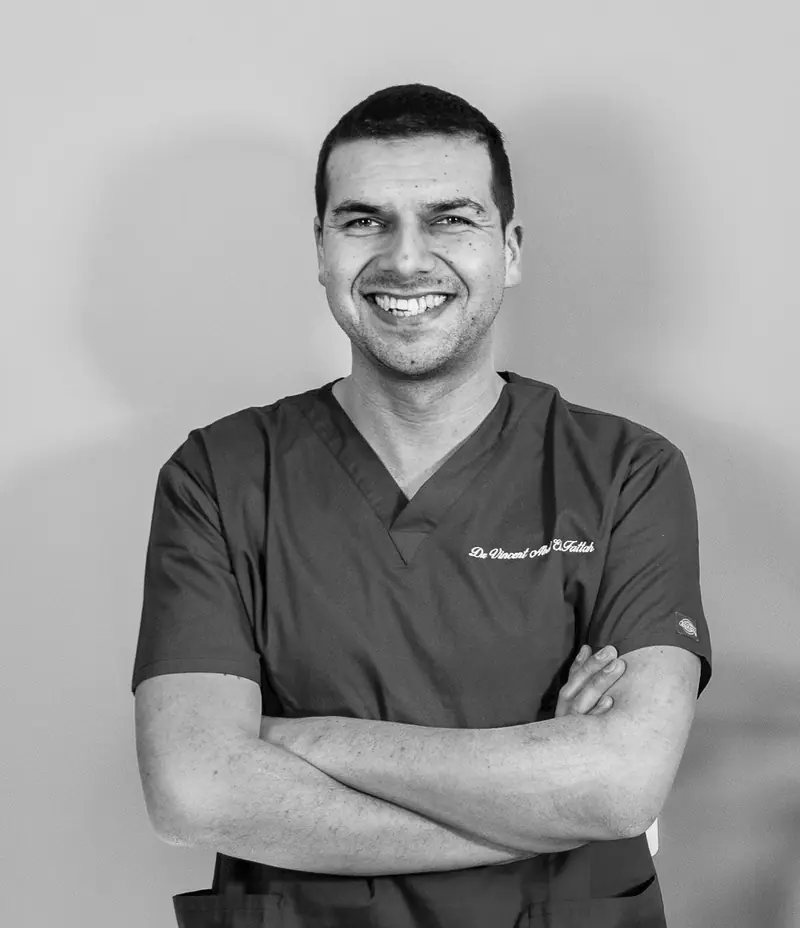
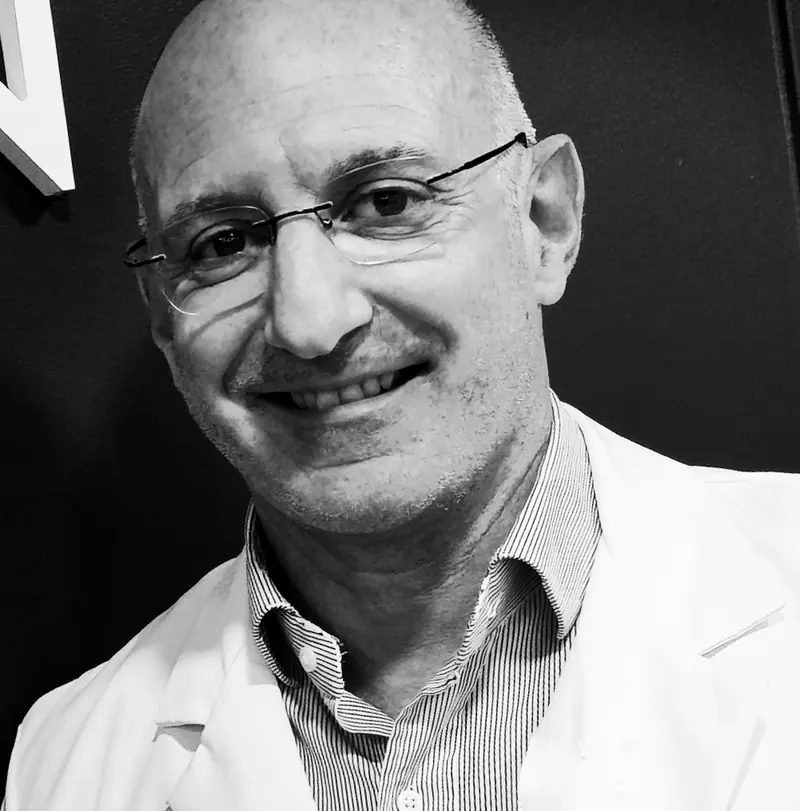
At the practice, this care is provided by Dr Nicolas Korahanis, Dr Samer Abdel-Hamid, Dr Vincent Abd El Fattah and Dr Bruno Segui.

Consultations take place at the Consultation Centre, in Saint-Jean-de-Védas, and at Polyclinique Saint-Louis, in Ganges. Cancer operations are performed at Clinique Saint-Jean Sud de France, in Saint-Jean-de-Védas.

Why choose URO Saint-Jean?

  • Day surgery

    You go home on the day of the operation.

  • Your fertility planned for

    Sperm banking and testicular prosthesis are discussed at the consultation.

  • Multidisciplinary teams

    Urologists and oncologists decide together on additional treatment and follow-up.

Your questions

Is a lump on a testicle always cancer?

No: most lumps are benign (cyst, epididymis, varicocele…). But only an examination and ultrasound can tell: see a doctor without delay.

Will the operation affect my sex life?

No. The remaining testicle takes over testosterone production: sex drive and erection are unchanged.

Will I be able to have children?

Usually yes. Sperm banking before the operation is a safeguard, particularly if chemotherapy is needed.

Is a testicular prosthesis compulsory?

No, it is offered at your request, during the same operation, for a natural appearance. It can also be fitted later.

Page reviewed and approved by Dr Bruno Segui, urological surgeon. Updated on . The medical pages of this website are reviewed every year.

Sources

This information does not replace a medical consultation.