










Clinique Saint-Jean Sud de France
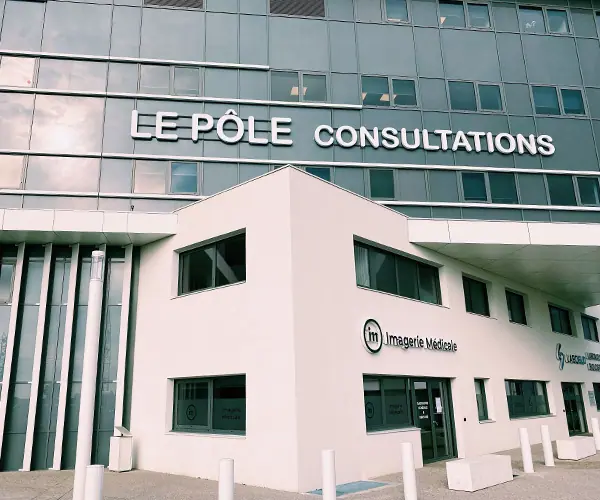
Le Pôle de consultations
2 rond-point de l'Europe
34430 Saint-Jean-de-Védas
Monday to Thursday: 9 am – 12:30 pm and 1:30 pm – 6 pm
Friday: 9 am – 12:30 pm and 1:30 pm – 5 pm
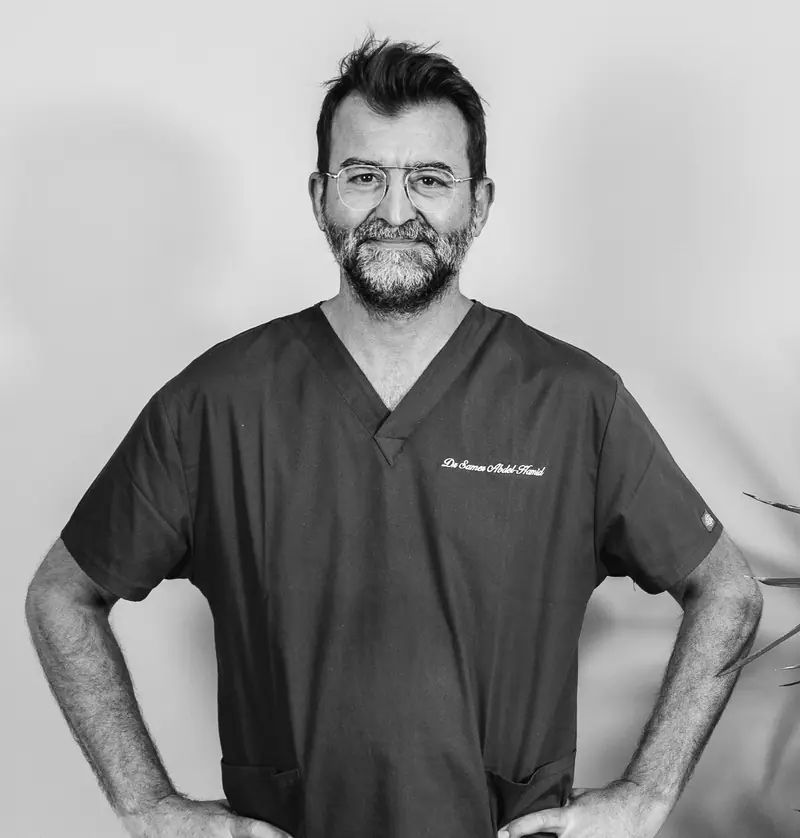
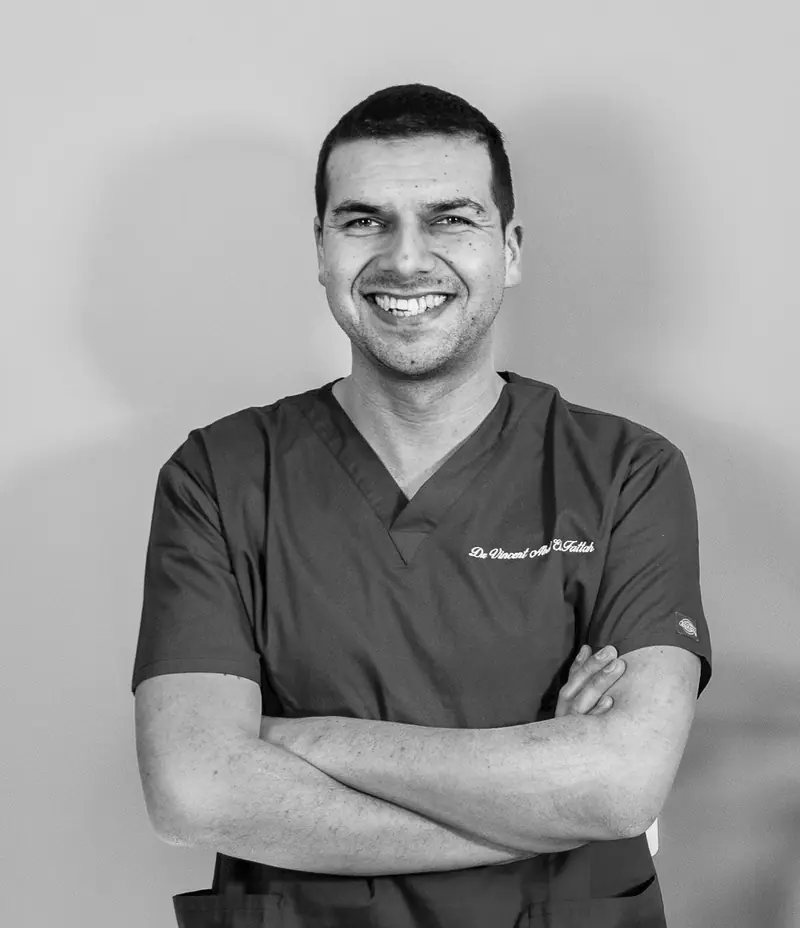
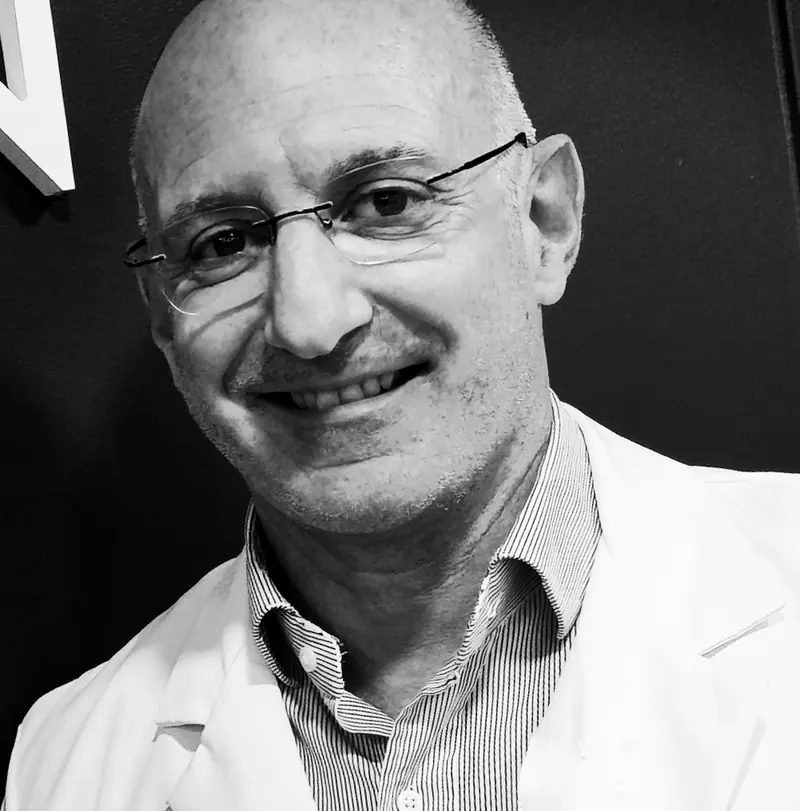
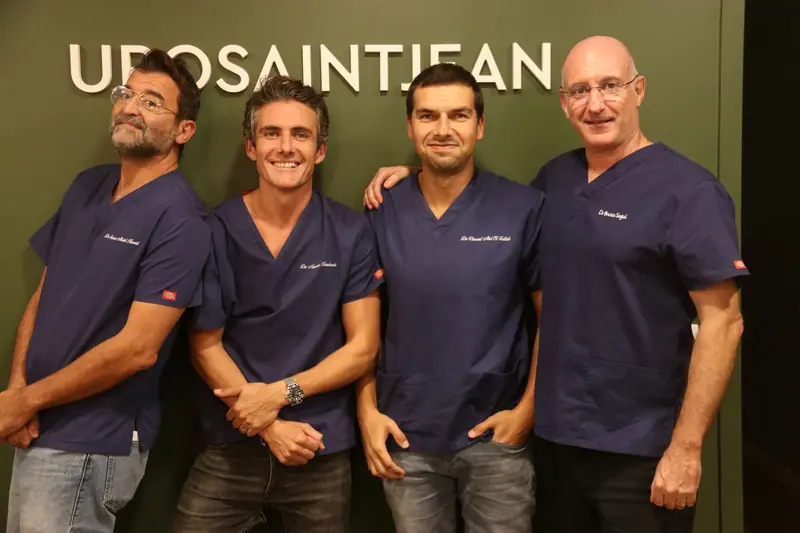
Our surgeons, Dr Samer Abdel-Hamid, Dr Nicolas Korahanis, Dr Vincent Abd El Fattah and Dr Bruno Segui, welcome you to their practice at the Consultation Centre (Pôle de consultations), connected to the clinic in Saint-Jean-de-Védas.
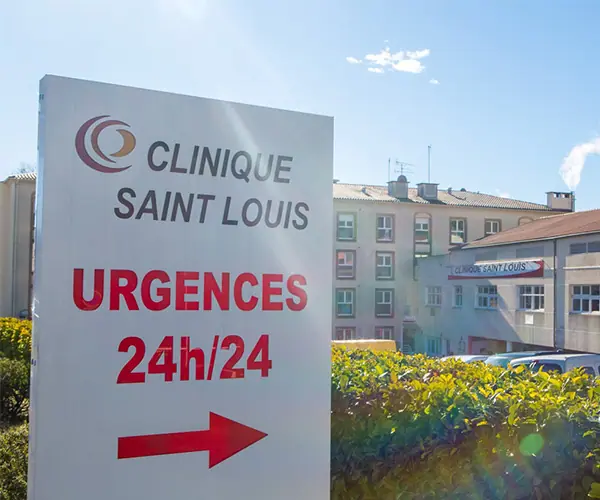
Clinique Saint-Jean 04 34 35 24 88Polyclinique Saint-Louis 04 67 81 68 76
URO Saint-Jean
A selection of official documents on conditions and surgical techniques
Our website offers a selection of official documents on the conditions we treat and the surgical techniques we use, and aims to support you throughout your administrative procedures.
The information provided can in no way replace a consultation with your urologist.
Cutting-edge technology for your health
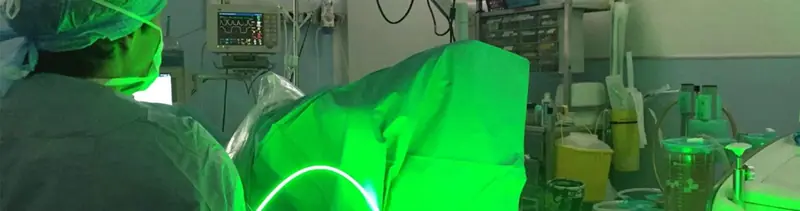
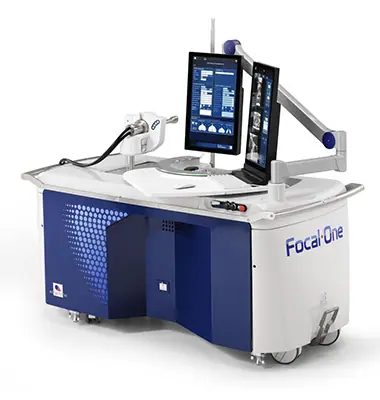
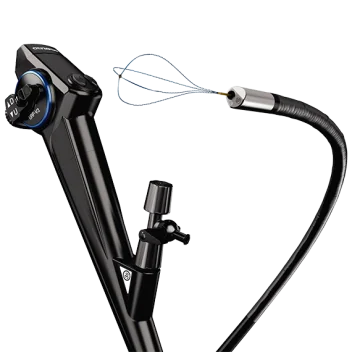
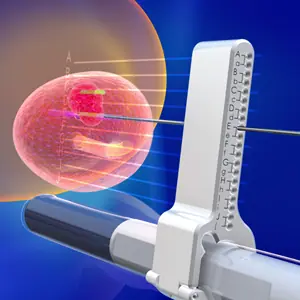
We perform MINIMALLY INVASIVE SURGERY for all urological conditions: prostate, kidney and bladder cancer, pelvic floor disorders, stone disease and prostate enlargement
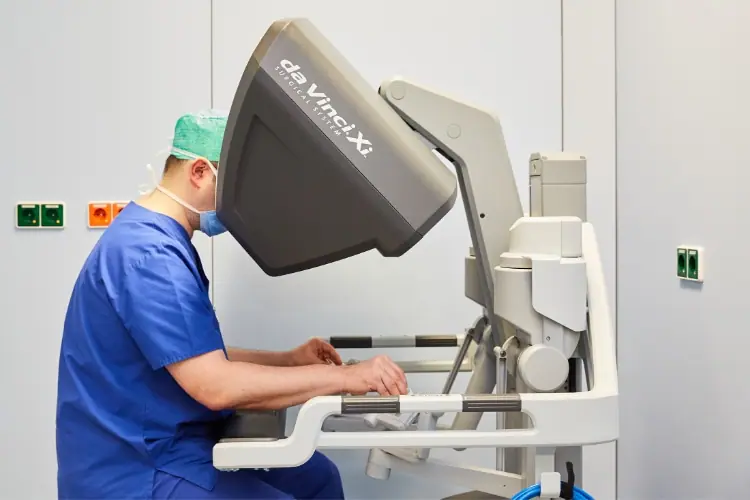
to do so, we have state-of-the-art equipment:
A skilled medical team by your side!
Your journey at URO Saint-Jean
Caring for our patients relies on close cooperation with the anaesthesia and radiology teams. Our inpatients are admitted to a ward dedicated to urology, where all nursing staff are trained in this specialty. The same applies in the operating theatre, where two scrub nurses specialise in urology.
Conditions treated at the Saint-Jean Urology Centre
Dr Samer Abdel-Hamid, urological surgeon
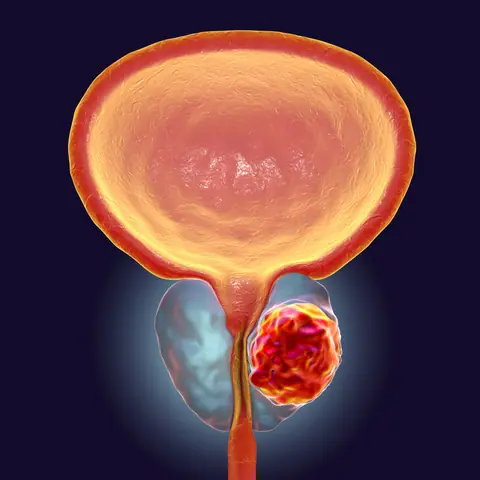
Prostate cancer is the most common cancer in men, with 90,000 cases a year in France. The French Association of Urology recommends screening once a year from the age of 50. Screening is done by your GP, with a blood test for PSA. PSA is a protein made by the prostate that can be found in the blood. If cancer is strongly suspected, biopsies are performed: they are the only way to confirm a diagnosis of prostate cancer.
When detected at an early stage, prostate cancer responds well to treatment. When the cancer is very small, it can simply be monitored: treatment is not always necessary. When the cancer is a little more aggressive or a little larger, we will offer treatment.
At our centre, we perform prostate surgery by laparoscopy assisted by robotic arms, which are controlled by the surgeon’s hands. This is how we remove the prostate and join the bladder to the urethra. The precision of this surgery allows us to take great care of the urinary sphincter and of the erectile nerves, which we try to preserve whenever possible.
The hospital stay for this operation is very short: we keep our patients for 48 hours. Patients go home with a urinary catheter, which is removed by a nurse at home on the sixth day after surgery. We then provide post-operative follow-up, followed by regular PSA monitoring. And we are here to give you all the information you need whenever it is necessary and important.
Dr Nicolas Korahanis, urological surgeon
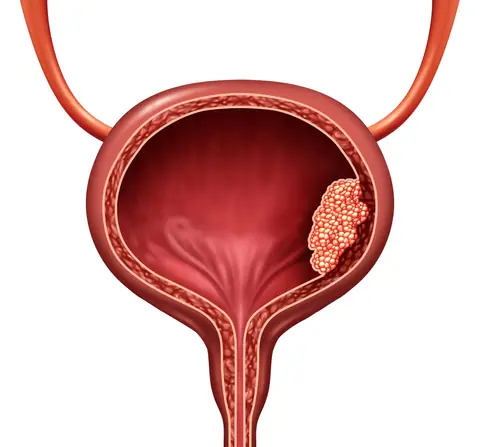
Bladder cancer is a serious cancer, most often revealed by blood in the urine. 5,300 patients die of it every year in France. The bladder wall is like the wall of a house: it has three layers, the mucosa, the lamina propria and finally the muscle. The deeper the tumour, the more serious it is.
When the bladder has to be removed, this is called a cystectomy. Cystectomy is a very major operation, which we perform almost exclusively by robot-assisted laparoscopy. Robotic surgery allows a better recovery after surgery, with shorter hospital stays and fewer complications during the operation. It also allows the erectile nerve bundles to be preserved, which was almost impossible with open surgery. We can replace the entire bladder by robotic surgery, without opening the skin.
At Clinique Saint-Jean we have a brand-new intensive care unit, with two intensive care specialists on duty at all times to monitor you. Thanks to our expertise, we are one of the few teams in the region able to offer robot-assisted surgery to treat your bladder cancer.
Dr Vincent Abd El Fattah, urological surgeon
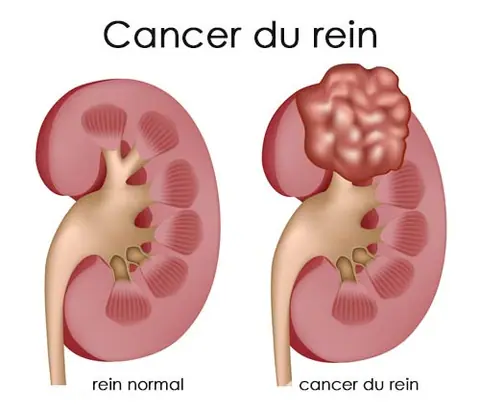
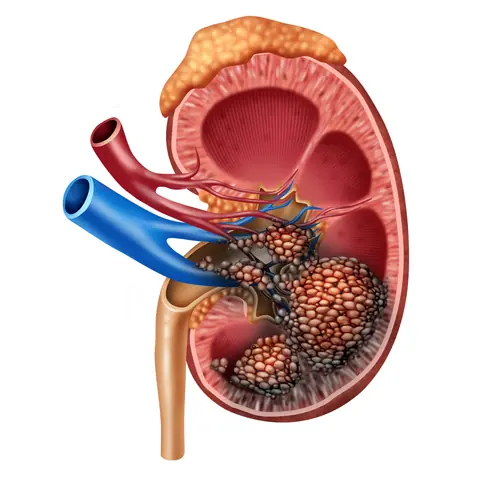
Kidney cancer affects 15,000 people a year in France. Patients, mostly men, are 65 years old on average. It usually causes no symptoms: it is found by chance on an ultrasound or CT scan.
When the tumour is found at an early stage and is small, it is confined to the kidney, with no metastasis. In this case, we perform the standard treatment, partial nephrectomy. The aim of this operation is to remove only the tumour, while preserving the rest of the healthy kidney tissue. We perform it by robot-assisted laparoscopy. The operation takes about 2 hours and you stay in hospital for 2 days on average. This technique reduces bleeding, length of stay, complications and post-operative pain. Recovery is much improved, with a quicker return to your physical and professional activities.
In some cases, other treatments may be offered: removal of the whole kidney, radiofrequency ablation or immunotherapy. Whatever the case, our multidisciplinary teams are here to help you choose, carry out and follow up your treatment.
Dr Vincent Abd El Fattah, urological surgeon
Kidney stones are a common problem: 5 to 10% of the population suffer from them. They are most often discovered through renal colic. This causes sudden, intense pain in the side of the lower back, on one side, with no position that relieves it, sometimes with digestive symptoms such as vomiting. In this case, you should go to the emergency department, where your pain will be relieved quickly. A blood test and a CT scan will be carried out to assess the level of urgency and whether rapid surgery is needed.
In some cases, medical treatment alone will allow the stone to pass spontaneously. In an emergency or for large stones, we offer several techniques. First, rigid or flexible ureteroscopy: a very thin camera is passed into the ureter and then into the kidney, to break up the stone with a laser and remove the fragments. The second option is fragmentation by shock waves, called extracorporeal lithotripsy. These procedures take less than an hour and are performed as day surgery.
In all cases, our multidisciplinary teams, including nephrologists and dietitians, will be there to support you and keep the risk of recurrence as low as possible.
Each video comes with a written transcript (videos in French).
The latest news
Le Pôle de consultations
2 rond-point de l'Europe
34430 Saint-Jean-de-Védas
Monday to Thursday: 9 am – 12:30 pm and 1:30 pm – 6 pm
Friday: 9 am – 12:30 pm and 1:30 pm – 5 pm
40 medical practices of all specialties and 8,000 square metres of space dedicated to your HEALTH!
Find out morePlace Joseph Boudouresques
34190 Ganges, France
Monday: 9:30 am – 6 pm
Tuesday, Thursday and Friday: 9 am – 1 pm | 2 pm – 5 pm
Wednesday: 9:30 am – 12:30 pm
Several tests are available: quality of life related to urinary symptoms, quality of life related to urinary incontinence in women, …
See the questionnaires