Circulating tumour cells: a key to personalised cancer treatment
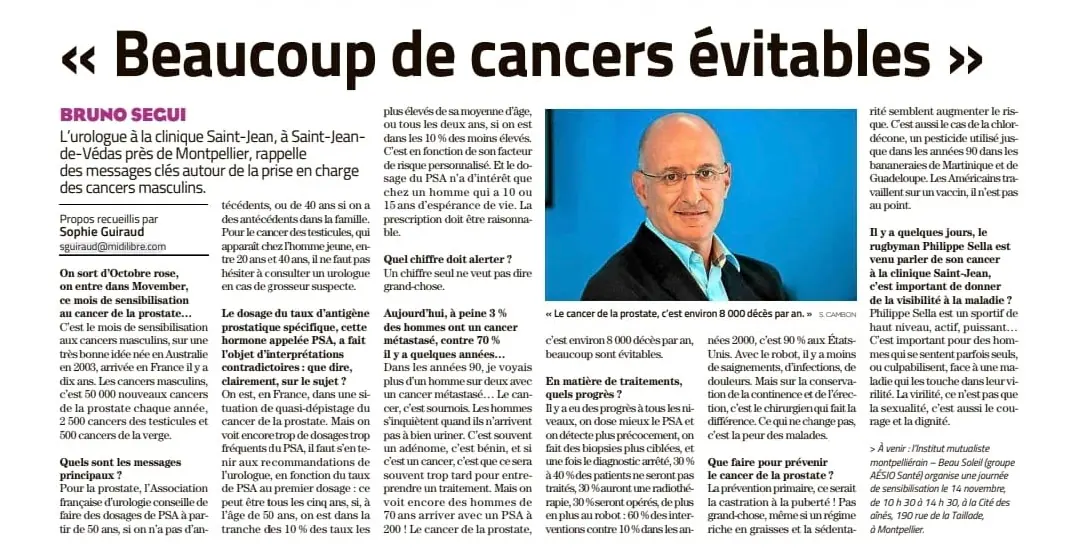
The urologists of the URO Saint-Jean group have always been involved in medical research.
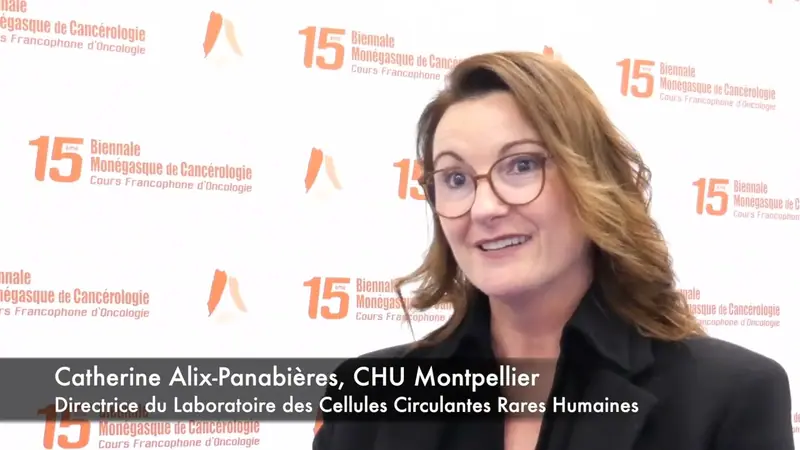
This year, thanks to the COURSTACHE, we raised €15,300, which will go to Dr Alix Panabières’ department to advance research on circulating cells
But we are also, and above all, one of the main recruiting centres.
We constantly monitor and refer all our patients who can help advance research.
how technology is revolutionising cancer detection
Circulating tumour cells (CTCs) are cancer cells that have broken away from the primary tumour and entered the bloodstream. They are considered cancer markers and can provide important information on how the disease is progressing and how it is responding to treatment.
Research on CTCs began in the 1990s, but has really gathered pace in recent decades thanks to technological advances in detection and analysis.
Research on CTCs has also improved our understanding of their role in cancer progression and their potential as therapeutic targets.
CTCs can help identify patients at high risk of relapse or metastasis, and predict response to treatment. CTCs may also serve as targets for new treatments, such as therapies targeting signalling pathways specific to CTCs.
Although research on CTCs has made considerable progress, there is still much to discover about their biology, their role in cancer progression and their clinical usefulness. Researchers continue to work on improving the detection and analysis of CTCs, and on exploring their potential as therapeutic targets for cancer treatment.
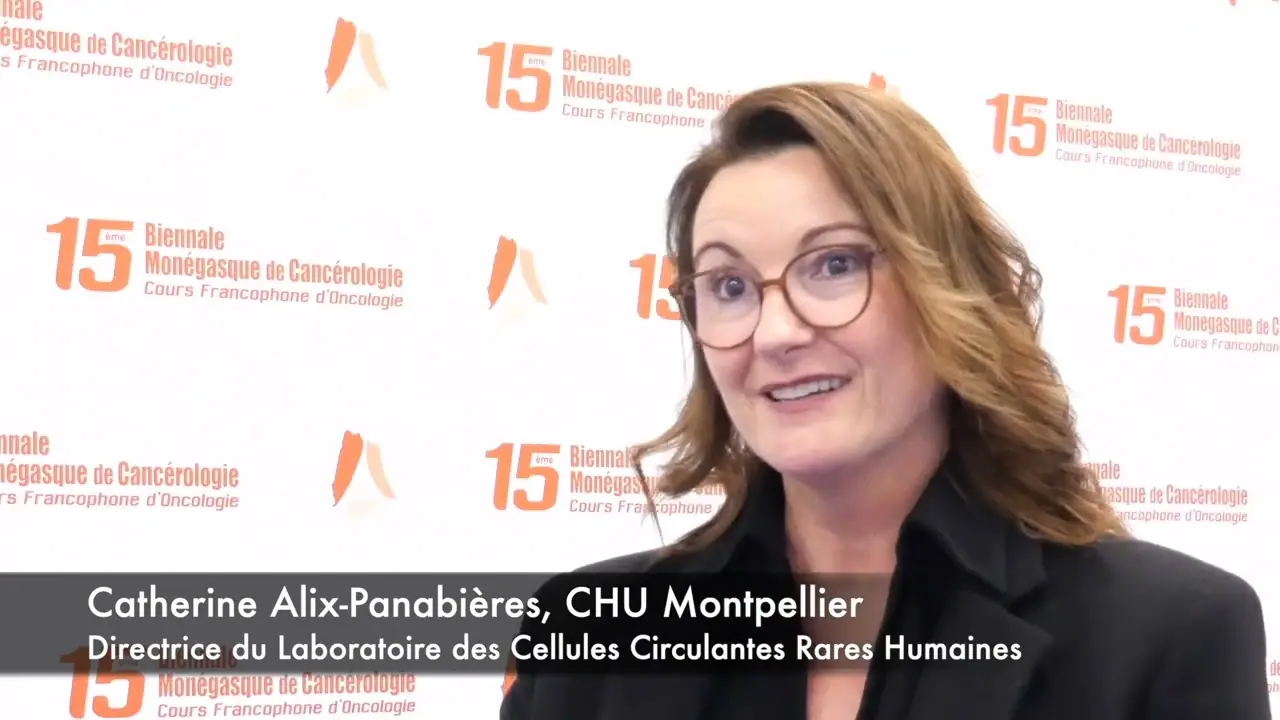
“CTCs can provide valuable information on the biology of cancer, by identifying the genes and proteins involved in the spread of the disease.” – Dr Catherine Alix-Panabières, Research Director at the University of Montpellier
Cutting-edge medical research serving concrete and promising goals for patients’ health:
- Understanding the role of CTCs in cancer progression and spread: researchers are seeking to understand how CTCs form, spread through the body and colonise other tissues, which may help identify new therapeutic targets to prevent cancer from spreading.
- Developing more sensitive and specific methods for detecting and analysing CTCs: researchers are seeking to develop more advanced methods for detecting and analysing CTCs, to make them more reliable for early detection, disease monitoring and predicting response to treatment.
- Identifying the genetic and phenotypic characteristics of CTCs: researchers are seeking to understand the genetic and phenotypic characteristics of CTCs, including the cancer-specific mutations they carry, to better understand their role in cancer progression and their potential as therapeutic targets.
- Studying the heterogeneity of CTCs within and between patients: researchers are seeking to understand how CTCs vary between patients and within the same patient, to better understand the complex and heterogeneous nature of cancer.
- Using CTCs as biomarkers to predict response to treatment and patient survival: researchers are seeking to determine whether early detection of CTCs can be used as an early indicator of response to treatment and survival in cancer patients.
- Developing new treatments targeting CTCs: researchers are seeking to identify new therapeutic targets to treat CTCs and prevent their spread, which could help improve the prognosis of cancer patients.
The latest news

New recruit: ALVA.CARE
24/7 virtual secretary
Find out more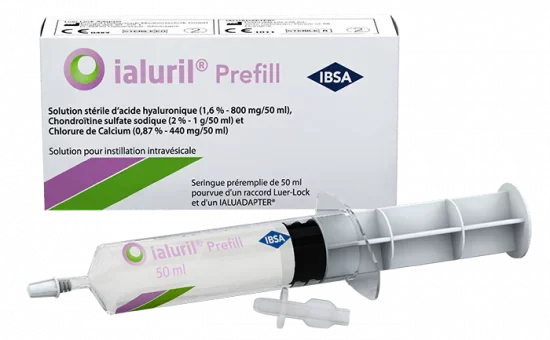
Recurrent cystitis, interstitial cystitis: Ialuril offers a new prospect of relief.
Ialuril: a solution for your bladder health has arrived
Find out more
GRACE LABEL 2025
the only GRACE-certified centre in Montpellier for cystectomy
Find out more